In March 2026, a North Carolina woman won a $100,000 Powerball prize using the same set of numbers she had been playing for years. The story went viral. Comments flooded in: "See? Sticking with your numbers pays off!" And on the other side: "Pure luck — the numbers didn't matter."
Both camps are right in different ways. So what actually happens when you play the same lottery numbers every week? We ran the math, looked at the real-world data, and came up with an honest answer.
The Math: Does It Change Your Odds?
Let's get the probability question out of the way first — because this is where most people get confused.
Playing the same numbers every week does not change your odds on any individual draw. Each lottery draw is a completely independent event. The balls don't have memory. The machine doesn't know which numbers you played last week. Your odds of hitting the Powerball jackpot on any single ticket are 1 in 292,201,338 — whether you use the same numbers or brand new ones.
This is a concept statisticians call independence of events. A coin flip that lands heads five times in a row is no more or less likely to land heads on the sixth flip. Lottery draws work the same way.
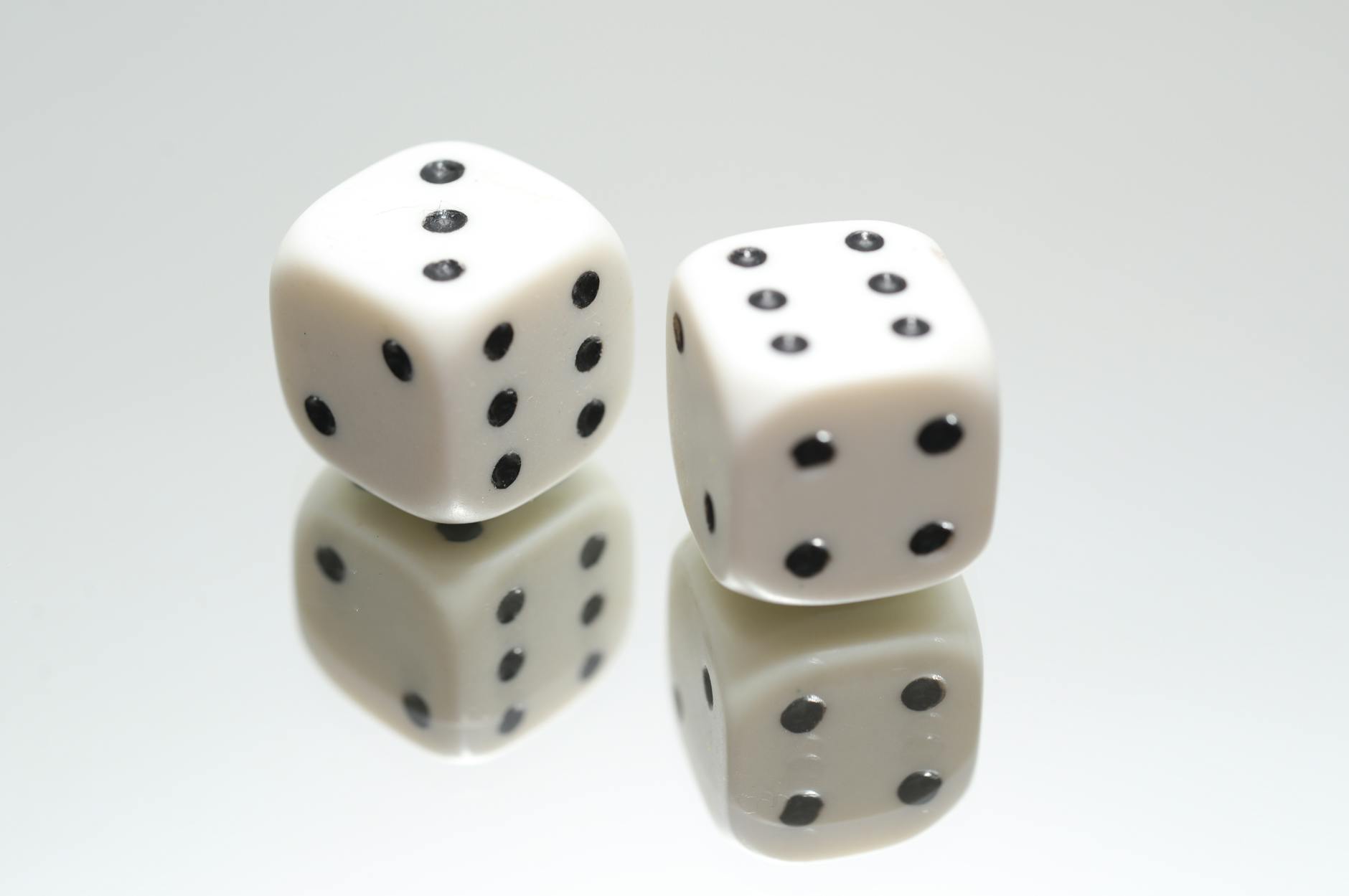
So if someone tells you "your numbers are due" because you've been playing them for two years without a win — that's a classic gambler's fallacy. The lottery has no memory, and no number set is ever "owed" a win.
But Here's Where Consistency Actually Matters
The math says your odds per draw are identical regardless of what you pick. But that isn't the full picture. There's a real — and often overlooked — risk that comes with changing your numbers constantly.
The "missed draw" problem. Imagine you've been playing 7-14-22-33-41-6 for three years. One week you decide to switch things up. That week? 7-14-22-33-41-6 comes up. It happens. Lottery winners' forums are full of exactly this story. The psychological devastation of watching your old numbers hit after you abandoned them is something no probability formula can protect you from.
By playing the same numbers consistently, you eliminate that particular nightmare. You know that if your combination ever does hit, you will have been playing it. That consistency has genuine practical value — even if it doesn't change the raw probability.
What Real Data Shows About Number Patterns
While no number combination is more likely to win than another, draw history data does reveal patterns worth knowing about. Over thousands of Powerball and Mega Millions draws:
| Pattern | What the Data Shows |
|---|---|
| All numbers under 31 | Very common choice (birthday numbers) — means more winners split the jackpot if this set hits |
| Consecutive sequences (1-2-3-4-5) | Equally likely to hit, but almost never chosen — you'd rarely split the jackpot |
| Hot numbers (drawn most frequently) | No predictive value for future draws, but useful for understanding distribution |
| Cold numbers (drawn least frequently) | No predictive value, but some players include them for spread coverage |
| Balanced odd/even split | ~65% of jackpot-winning combinations have a roughly balanced odd/even mix |
This is where tools like LottoLytics become useful. The goal isn't to "predict" the lottery — that's impossible. The goal is to build a number set that gives you better jackpot-splitting odds if you win, and to track how your numbers have performed historically across real draw data.
So Should You Stick With the Same Numbers?
Here's our honest answer: yes, with one condition — make sure the numbers you're committing to are actually a good set to play.
If your current numbers are all between 1 and 31 (meaning they're likely someone's birthday combination), you're in a pool with millions of other players who made the same choice. Win the jackpot with those numbers and you'll probably be splitting it many ways. That's a fixable problem — and it's worth fixing before you commit to playing a set for years.
The ideal approach looks like this:
- Choose a well-balanced number set — spread across the full range, mixed odd/even, not clustered around birthdays
- Check historical draw frequency — not to predict, but to understand your numbers' context
- Stick with that set consistently so you never miss a draw
- Review it once a year — not to chase patterns, but to make sure you still feel good about the combination
The NC woman who won $100,000 with her long-held numbers? She didn't win because she'd been playing them for years. She won because she happened to be playing that ticket on that particular draw. The years of consistency just made sure she was still in the game when her moment came.
That's the real argument for sticking with the same numbers: not superstition, not pattern-chasing, but simply making sure you never accidentally sit out the draw that matters.